
Construction sites often grapple with groundwater or surface water that can threaten the foundation and structural integrity of the impending development. To combat this, temporary dewatering processes are implemented, essentially removing the water from the worksite to ensure a safe and dry environment for construction. As the reality of environmental concerns and construction practices collide, regulations overseeing this process play a pivotal role in how the industry operates.
What is Temporary Dewatering?
Temporary dewatering during construction involves the extraction of water from a site to provide a workable, dry foundation. This is typically achieved using pumps, well-points, and sump pits, depending on the volume of water and site conditions. A crucial aspect of many construction projects, dewatering ensures safety, structural integrity, and adherence to project timelines. However, this process must comply with environmental regulations, which aim to protect natural water sources and local ecosystems.
The MITA Memo In Context
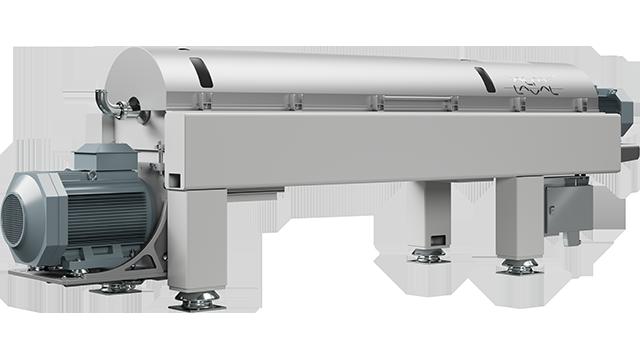
Given a memo dated April 23, 2007, concerning the construction industry, significant implications were highlighted that could affect the practice of temporary dewatering. Specifically, the Michigan Infrastructure & Transportation Association (MITA) is an organization that stands as the heavy construction industry's voice in the state government. The group's role is to compile feedback from industry professionals to advocate for fair and effective regulatory practices that safeguard both the environment and the industry's operational needs.
Regulatory Impact on Construction Dewatering
Challenges Presented by Regulations
New or amended regulations can introduce challenges to construction projects. These may include stricter controls on where the water can be discharged, limits on the duration of dewatering activities, and mandates on water treatment before discharge. The key for construction companies is to understand and adapt to these regulations swiftly to avoid project delays and potential fines.
The Importance of Providing Industry Comments

MITA solicits comments from construction professionals as part of its goal to represent the industry. Feedback from those directly engaged in dewatering practices helps MITA understand the real-world implications of regulations. This information can then be used to lobby for standards that both protect the environment and support the construction industry's capacity to operate effectively.
Best Practices for Temporary Dewatering
To navigate the maze of regulations and ensure compliance, the industry must adopt best practices for temporary dewatering. These involve staying updated with local and state regulations, conducting thorough environmental impact assessments, and developing water management plans that are both efficient and environmentally conscious. It's a fine balance between progress and preservation, and a responsibility that construction professionals must not take lightly.
Travel Beyond Constructions Zones
While regulations and their implications on construction dewatering take center stage in industry discussions, they extend beyond the borders of construction sites. As roads are built and infrastructures rise, the seamless integration of these projects with the travel and tourism sector becomes increasingly important. By ensuring responsible and regulation-compliant dewatering practices, construction projects contribute to the creation of travel destinations that are as sustainable as they are functional, inviting tourists to explore confidently, knowing that responsible development underpins the lay of the land.
Cancun
- Emporio Cancun All Inclusive
- Marriott Cancun, An All-Inclusive Resort
- Jw Marriott Cancun Resort & Spa
- Moon Palace The Grand