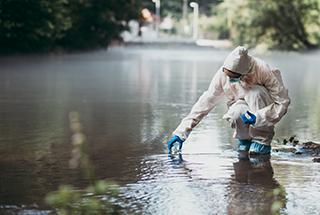
In efforts to maintain and improve water infrastructure, the State Revolving Fund (SRF) and the Drinking Water Fund (DWRF) play critical roles. Here, we delve into the updated priority lists for these programs and discuss the implications of recent leadership changes.
What is the State Revolving Fund (SRF)?
The State Revolving Fund is a key financial assistance program aimed at supporting environmental protection and water quality improvement projects. Through low-interest loans, grants, and subsidies, the SRF helps states achieve their water infrastructure goals efficiently and sustainably.
Insight into the Drinking Water Fund (DWRF)
Parallel to the SRF, the Drinking Water Fund specializes in ensuring that communities have access to safe and reliable drinking water. This program targets the development and refurbishment of water systems to meet stringent health standards and to serve an ever-growing demand.
Latest Priorities for the SRF and DWRF
Factorial Considerations in Fund Allocation
The most recent priority lists for both funds show a meticulous approach to resource allocation. Factors such as public health impact, compliance with regulatory requirements, and readiness to proceed are weighted to determine funding order.
Project Prioritization and Impact
Projects aimed at addressing the most urgent public health concerns or those that can achieve significant environmental benefits are typically placed high on the list. This ensures resources are channeled where they can make the most difference rapidly.
Transition in Leadership: Welcoming Change
A Tribute to Chip Heckathorn
With the retirement of Chip Heckathorn, the long-time administrator for the SRF, we acknowledge his years of dedicated service and contributions to water quality and infrastructure improvement. His efforts have been vital in shaping the direction and success of the SRF.
Embracing New Leadership
Looking ahead, the new administrator stepping in has a tenfold challenge of not just filling Heckathorn's shoes, but also advancing the fund's mission in innovative ways. Their role is crucial in keeping the state's water systems robust and reliable for years to come.
Integrating Water Priorities with Travel Interests
In a riveting overlap of sectors, the state's water management priorities resonate with the broader interests of travelers and tourists. Clean water initiatives enhance destinations, ensuring that they remain appealing and sustainable for visitors. As infrastructure improves, the traveling experience becomes safer and more enjoyable for everyone, thus potentially boosting local tourism economies. Monitoring updates to the SRF and DWRF remains essential for those vested in environmental stewardship and the allure of exploration alike.