
As the construction industry continues to grow, the demand for skilled professionals who can operate and maintain heavy machinery is on the rise. Whether you are interested in becoming a Heavy Equipment Operator to skillfully maneuver large vehicles, or a Heavy Equipment Technician with a knack for maintenance and repair, the opportunities are vast. This guide outlines the process for consideration of the respective program, with a focus on the prerequisites needed for potential candidates.
Unlocking the Path to Heavy Equipment Mastery
To embark on a rewarding career operating or servicing heavy machinery, candidates must first meet certain qualifications. These prerequisites are designed to ensure that all applicants possess the foundational skills and aptitude required for these high-responsibility roles.
Essential Qualifications for Prospective Candidates
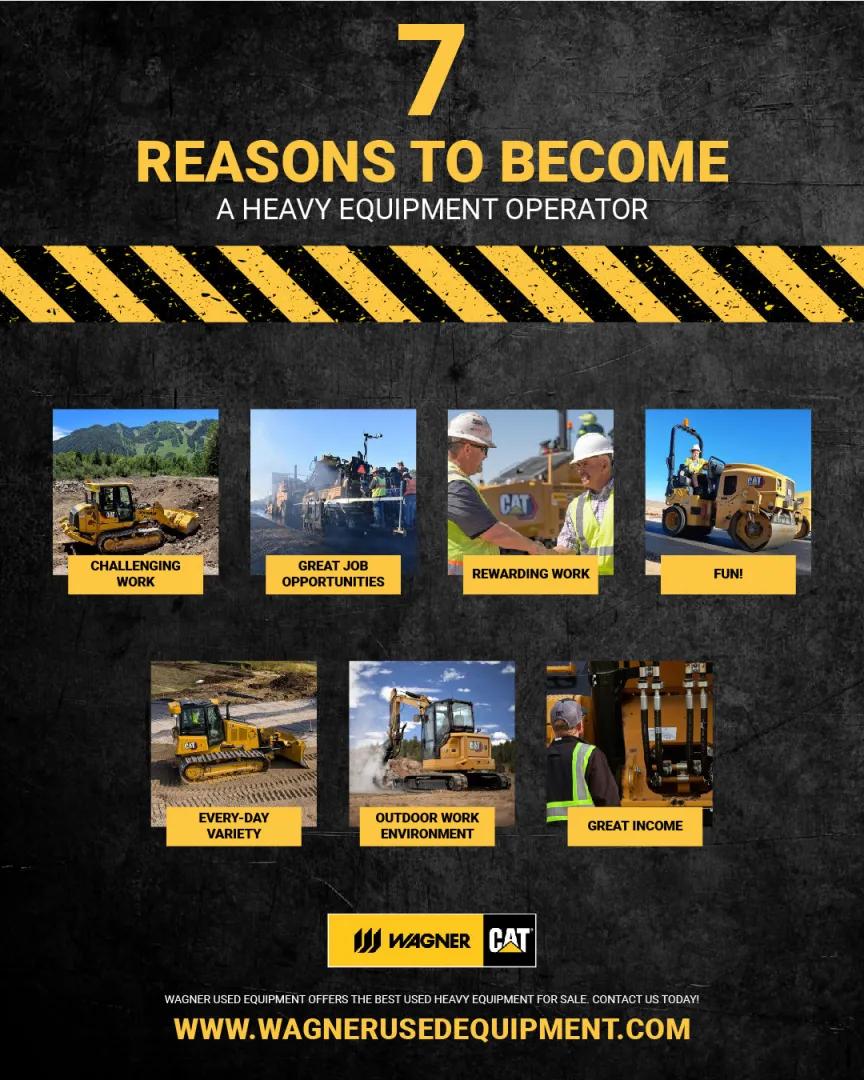
The program requires applicants to demonstrate a combination of educational and physical capabilities. A high school diploma or equivalent is often a baseline requirement, ensuring that candidates have fundamental literacy and numeracy competencies. Additionally, physical dexterity and strength are vital, as the nature of the work can be demanding. Other considerations may include a clean driving record, the ability to pass rigorous safety training, and in some cases, previous experience with heavy machinery.
Where and When to Begin Your Journey
For those ready to steer their career in a new direction, obtaining an application is the first concrete step. Applications can be collected at designated locations, offering convenience to local residents. It's crucial for interested participants to act within the specified time frame to ensure their application is considered.
Program Details and Expectations

Once accepted into a program, trainees can expect a robust mix of classroom instruction and hands-on training. In the case of operators, you will learn to master various types of heavy machinery, while technicians will dive into diagnostics, repairs, and preventive maintenance. Safety training is integral to both pathways, emphasizing best practices to protect oneself, team members, and the integrity of the equipment.
The Versatile Opportunities Ahead
Graduating from these programs paves the way for diverse employment options. Operators and technicians can find themselves working in environments ranging from construction sites and mining operations to road work and beyond. With the industry's continuous expansions, specialists in these fields are not only in demand but also have the potential to secure progression within their roles and across sectors.
Integrating Travel into Your Heavy Equipment Career
One of the intriguing aspects of a career as a Heavy Equipment Operator or Technician is the potential for travel. Many projects may require you to work on-site in various locales, offering a chance to see different parts of the country or even the world while on the job. This melding of professional growth and personal exploration is a unique benefit, making these roles appealing to those who crave new experiences alongside a steadfast career.
In conclusion, for those with a passion for heavy machinery and a willingness to learn, a fulfilling career as a Heavy Equipment Operator or Technician awaits. With the right qualifications and a proactive approach to application, the road to a dynamic and prosperous professional life is well within reach.