
As the calendar pages turned towards 2008, financial analysts voiced mounting concerns over the potential for widespread insolvency, an issue which beckoned for proactive attention and strategic planning, particularly in regions like Michigan. This article delves into the underpinnings of this financial distress and explores the implications for local economies and communities.
Understanding the Risks of Insolvency
Rising debt, coupled with diminishing financial reserves, set off alarms that many organizations could face insolvency. Insolvency—the state of being unable to pay debts—poses serious threats to economic stability and requires urgent attention to ensure the protection of jobs, savings, and local economies.
Michigan's Position Leading Up to 2008
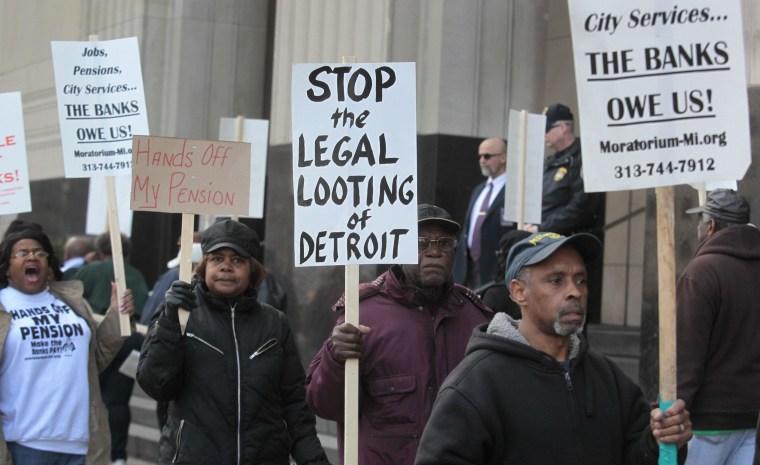
In Michigan, the industrial heartbeat of America, the tremors of potential insolvency were felt deeply. The region's economic reliance on manufacturing sectors, especially automotive, meant that its financial well-being was intrinsically tied to the health of these industries. With the prediction that insolvency could become a pressing issue by 2008, there was a concerted effort to evaluate and reinforce the state’s economic defences.
Katrina Relief Funding: A Case Study in Response and Recovery
The devastating aftermath of Hurricane Katrina shone a harsh light on the necessity of robust relief funding and how it can serve as a blueprint for economic recovery. Michigan's own endeavors could draw valuable lessons from the way relief funding and efforts were mobilized in response to that natural disaster, helping communities rebuild and revitalize their economies in the face of adversity.
Lesson Learned from the Gulf Coast

Much like the beleaguered cities along the Gulf Coast post-Katrina, Michigan's urban and industrial centers could benefit from a strategic infusion of aid and investment aimed at reinvigorating local businesses, supporting workers, and stimulating growth, as a means to ward off the looming specter of insolvency.
Strategies for Economic Resilience
Proactive measures are fundamental to staving off financial crises. Actions such as diversifying the economy, establishing safety nets for the most vulnerable sectors, and encouraging innovations that lead to new growth opportunities are pivotal in forging a resilient financial future for Michigan.
Engagement from Local to National Levels
Efforts to secure financial stability must extend from local community endeavors to broad-based national policies. Building a robust socioeconomic fabric requires the engagement of all stakeholders—business owners, employees, policy makers, and the general populace—as they unite towards a common goal of ensuring sustainable growth and stability.
The Role of Travel in Economic Recovery and Growth
Travel and tourism can serve as a vital engine for economic recovery. As regions navigate financial hurdles, harnessing the potential of the travel industry offers a valuable avenue for generating revenues, creating jobs, and showcasing the unique cultural and natural assets that contribute to the identity and economic vitality of places like Michigan. Prosperous travel sectors can infuse struggling economies with new life, foster community pride, and contribute to the development of infrastructure and services that benefit residents and visitors alike. Ultimately, embracing travel as a key facet of economic strategy can provide a pathway for regions on the brink of financial recuperation to regain their footing and chart a course toward lasting prosperity.