The Decline of Company Loyalty

In the shifting sands of the global economy, US companies face constant pressure to remain profitable, often leading to layoff routines and reductions in pay and benefits. The pursuit of shareholder satisfaction means less emphasis on employee relations, contributing to a significant erosion of what was once known as company loyalty. As companies adapted to the new economic reality, employees followed suit, becoming 'CEOs' of their own careers, often moving between companies as a strategy for personal advancement.
What Career Loyalty Means Today
The concept of career loyalty has evolved; where once it implied a lifelong commitment to a single employer, it now often refers to strategic job-hopping. Industries today view prolonged tenures with skepticism and Millennials, in particular, consider staying too long at a company to be potentially deleterious to their career trajectory. This paradigm shift has introduced a new normal where the median job tenure hovers around the two-year mark across various age groups.
Millennials and the New Career Ethos
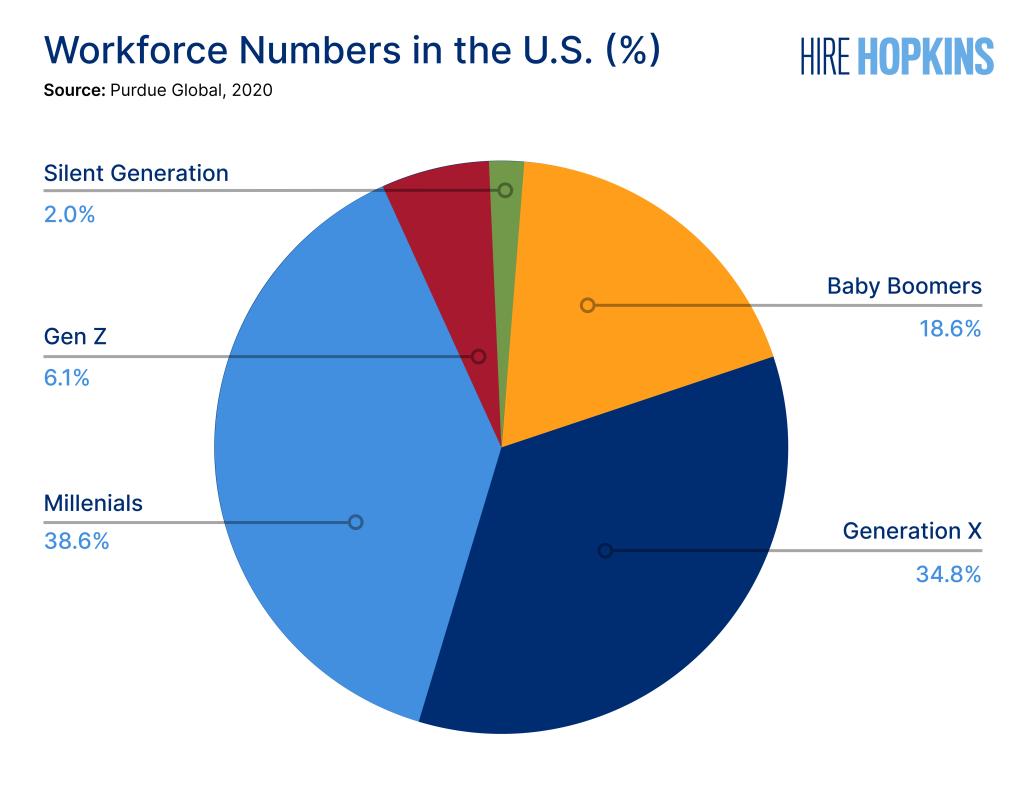
Millennials have redefined the workplace with their need for continual change and growth opportunities. Their diverse and self-expressive nature has set the tone for a working world where short tenures are standard, and a variety of job experiences is coveted. As this group becomes the predominant demographic in the workforce, the pattern of career loyalty through job-hopping is poised to persist.
Strengthening Employee Engagement
Despite widespread discussion, robust employee engagement remains elusive, with a significant portion of the workforce not fully committed to their roles. Successfully engaged companies, however, see substantial performance benefits. It begs the question: why aren't more companies investing in engagement programs? The answer often lies in the challenge of executing these programs effectively and the need for genuine, actionable feedback from employees to shape initiatives that resonate and inspire loyalty.
Improving Employee Retention
Insights from consultants highlight a path towards better retention, emphasizing the importance of creating a fun and flexible work environment with clear development opportunities. Communication remains paramount, requiring authenticity and relevance, delivered through varied channels that employees prefer. By addressing these needs, organizations can foster loyalty and invest in the longevity of their team's tenure, ultimately improving their bottom line.