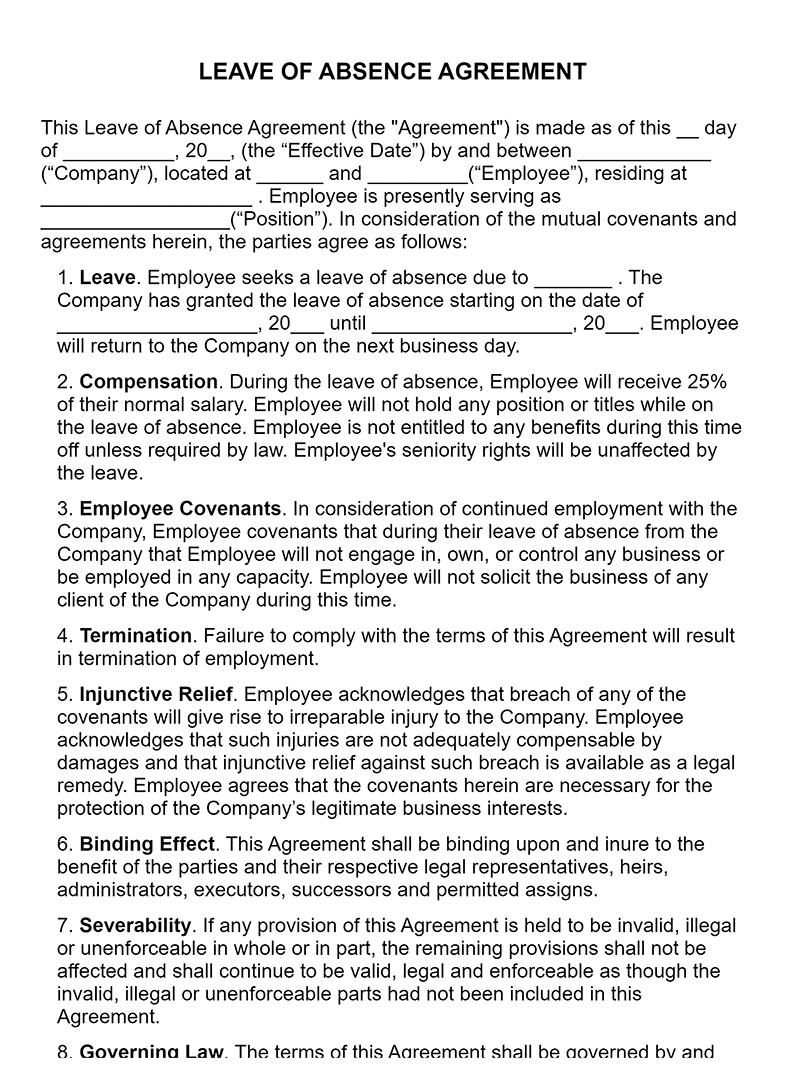
As an employer, it is your responsibility to navigate the intricate web of leave and absence laws to ensure that both your business and your employees are protected. Knowing whether an employee's absence is legally protected is crucial in maintaining compliance with various labor laws. Here is an expert guide on what to consider.
1. The Size of Your Company Matters
Leave regulations such as the Family Medical Leave Act (FMLA), Americans with Disabilities Act (ADA), and Pregnancy Discrimination Act (PDA) only apply to companies with a certain number of employees. Employers should be aware of the thresholds: FMLA covers businesses with over 50 employees, while ADA and PDA cover those with more than 15.
2. Understanding 'Serious Health Condition'

Interpretations vary, but FMLA defines a 'serious health condition' as one that requires more than three full days of absence or at least two medical consultations within 30 days. Recognizing these nuances is essential for legal compliance, avoiding debates over less clear-cut cases such as a cold or flu.
3. Leave for Family and Bonding Time
It's not just personal illness that's covered. FMLA also allows employees to take leave to care for seriously ill family members or bond with a new child, whether birthed, adopted, or fostered. Employers must familiarize themselves with the circumstances that qualify for protected leave.
4. Navigate State and Local Leave Laws

Differing state and local laws complicate the landscape further. Sometimes more generous than federal mandates, they require careful consideration to ensure employers provide the most beneficial rights to their employees.
5. Staying Updated with Laws
Laws evolve, and keeping abreast of these changes is no small feat. Failing to comply can result in severe fines, yet being overly accommodating can also be costly. It’s advisable to consult with legal experts in employee leave and absence law and consider automated systems to streamline tracking and compliance.
In the realm of employee management, just as travelers rely on hotels for a restful hiatus, employers too must provide a legally compliant respite for their employees. Just like a hotel must adapt to local regulations and traveler needs, businesses must tailor their leave policies to align with legal requirements and employee welfare, ensuring a well-balanced workforce ready to perform at its best upon return.