
Improving employee performance is a goal for many businesses, and while extensive courses may seem like the answer, they aren't the only solution. Understanding and utilizing time psychology can have a substantial impact on productivity without the need for a heavy time investment.
Understanding Time Psychology in the Workplace
Time psychology relates to how individuals perceive and manage time, influencing their efficiency and effectiveness. By tapping into these perceptions, managers can create environments where employees thrive.
Setting Achievable Deadlines
Establishing clear, manageable deadlines can motivate employees and create a sense of urgency without inducing stress. This balance is crucial to maintain productivity and job satisfaction.
Encouraging Time Ownership
When employees feel in control of their time, they're more engaged and invested in their work. Encouraging autonomy allows workers to find their most productive periods and structure their tasks accordingly.
Implementing Time Blocking
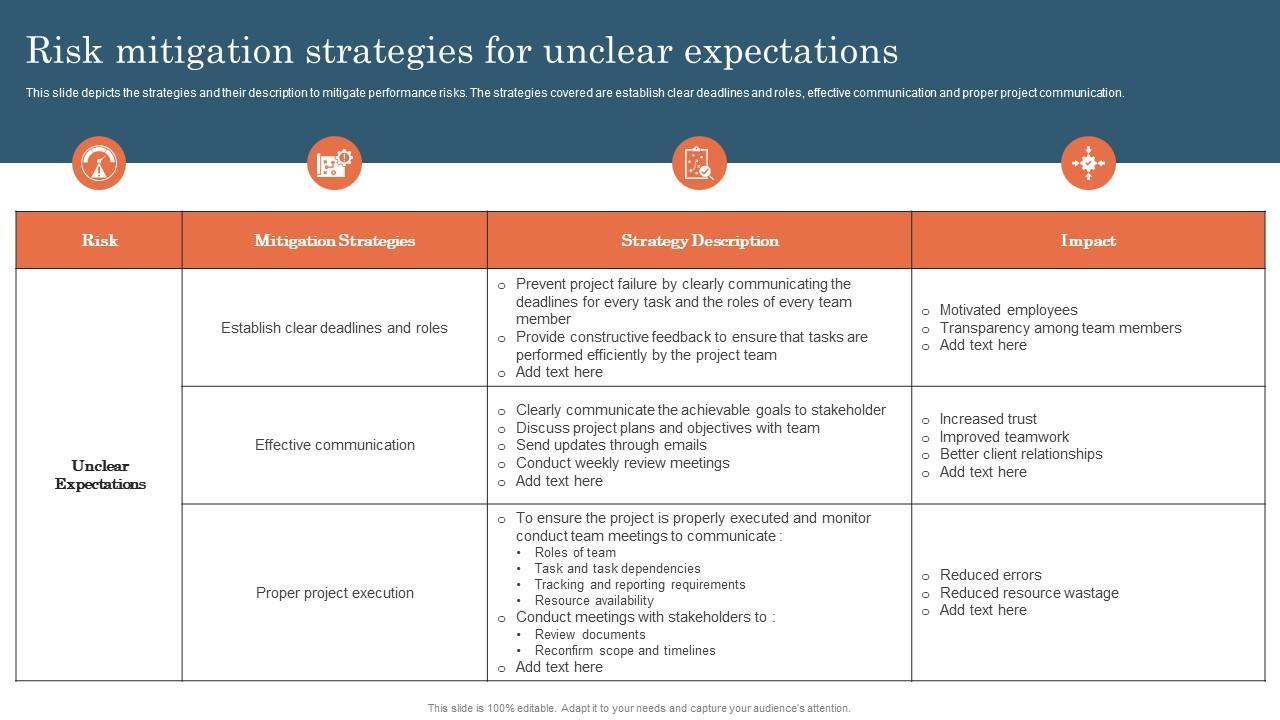
Time blocking is a method where tasks are assigned specific blocks of time throughout the day, reducing the mental load of multitasking and allowing for more focused, deep work.
Incorporating Breaks to Boost Productivity
Scientific studies suggest that taking regular breaks can help maintain consistent performance. Short pauses throughout the day to rest or engage in a different activity can recharge an employee's mental batteries.
Short Courses and Workshops
Short, targeted training sessions can be just as effective as longer courses. They provide concise information and techniques that employees can quickly integrate into their daily routines without being away from their duties for extended periods.
Focus on Time Management Skills
Workshops that enhance time management skills can rapidly improve workplace performance. Teaching techniques such as prioritization, delegation, and the use of productivity tools can yield immediate benefits.
Customized Training Programs

Customized programs that consider the unique dynamics of your team and business operations can streamline the learning process and make it more applicable to your employees' daily tasks.
Beyond the Office: The Impact of Travel on Performance
Fostering an environment that supports professional development can extend beyond the confines of the office. In some cases, the opportunity to travel for work-related conferences or team-building activities can be immensely beneficial.
Excursions outside the familiar workspace can lead to a refreshed mindset and a burst of creativity upon return. Staying in hotels and experiencing new surroundings can serve as a metaphorical "reset button," making employees more receptive to new ideas and ways of thinking.
In summary, improving employee performance doesn't necessarily require a significant time investment in lengthy courses. A strategic approach to time psychology, coupled with succinct training interventions and the occasional work travel experience, can lead to a happier, more productive workforce ready to tackle the challenges of today’s fast-paced business environment.